
Jewellery Care & Maintenance
But even the finest jewellery needs proper care.
Regular use can expose jewellery to dust, moisture, cosmetics, perfumes and everyday friction. Over time, these things can affect its shine and appearance.
That is why jewellery care and maintenance should be part of every jewellery owner’s routine.
With Jewellery Trends 2026 focusing on everyday gold, silver, statement pieces, mixed metals, personalised jewellery and versatile designs, proper maintenance is more important than ever.
The good news? Jewellery care does not have to be complicated.
A few simple habits can help your favourite pieces stay beautiful for longer.
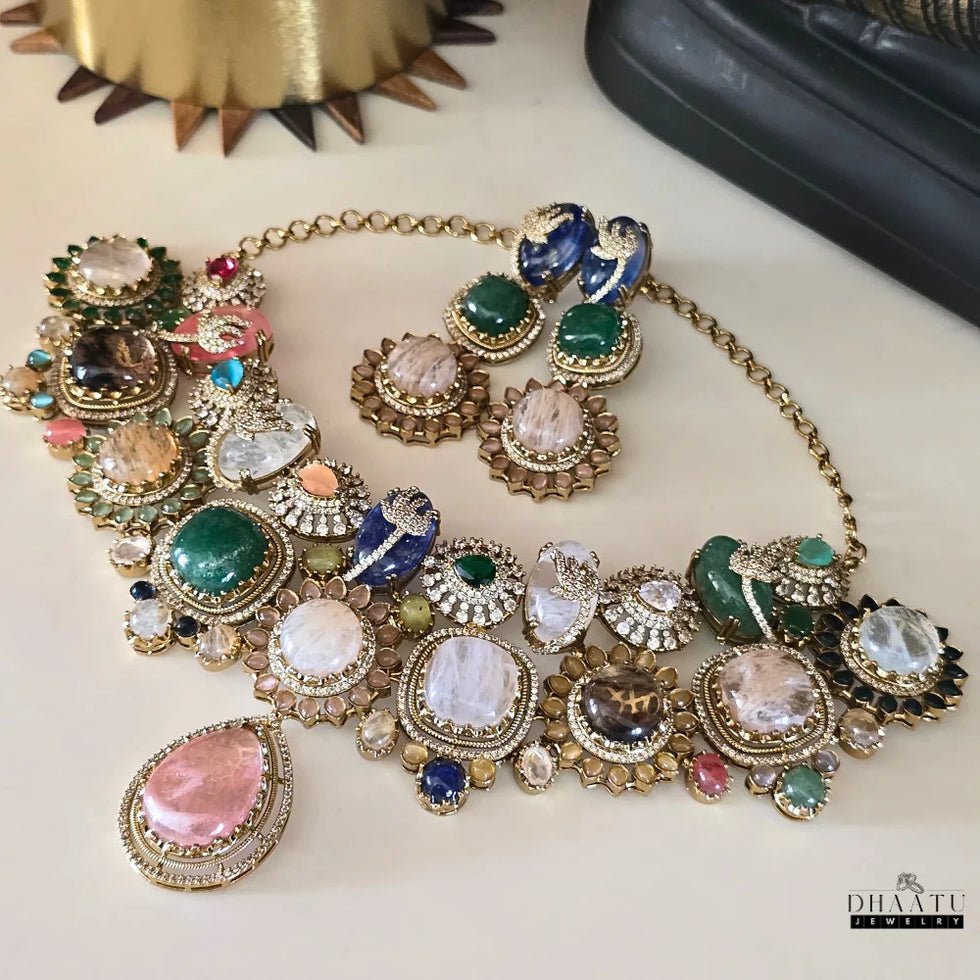
Why Jewellery Care Matters
Jewellery may look strong, but different metals, gemstones, finishes and settings require different types of care.
Regular maintenance can help you:
- Keep jewellery looking clean and polished
- Reduce unnecessary scratches
- Protect delicate gemstones
- Prevent tangling
- Spot loose stones or damaged settings early
- Maintain the appearance of frequently worn pieces
- Store jewellery safely between uses
The most important rule is simple:
Treat your jewellery according to the material and design.
A gold chain, silver ring and diamond necklace should not necessarily be cleaned in exactly the same way.
Jewellery Trends 2026 and the Importance of Care
Jewellery trends in 2026 are strongly focused on versatility.
People are choosing pieces that can move from everyday outfits to work, dinners, celebrations and special occasions.
This means jewellery is being worn more frequently.
Some popular 2026 styles include:
- Minimalist gold jewellery
- Chunky gold chains
- Silver jewellery
- Mixed-metal jewellery
- Statement earrings
- Stackable rings
- Layered necklaces
- Personalised jewellery
- Gemstone jewellery
- Modern bridal jewellery
The more often you wear jewellery, the more important a simple care routine becomes.
1. How to Care for Gold Jewellery
Gold jewellery is popular because it has a timeless appearance and works with both traditional and modern styles.
However, gold jewellery can still collect dirt and develop surface scratches.
For regular care:
- Store gold pieces separately.
- Keep chains untangled.
- Wipe jewellery gently with a soft, clean cloth.
- Avoid exposing delicate pieces to harsh chemicals.
- Remove jewellery when appropriate for activities that could damage it.
- Follow the care instructions provided for the specific piece.
For valuable or delicate gold jewellery, professional cleaning may be a better option than aggressive home cleaning.
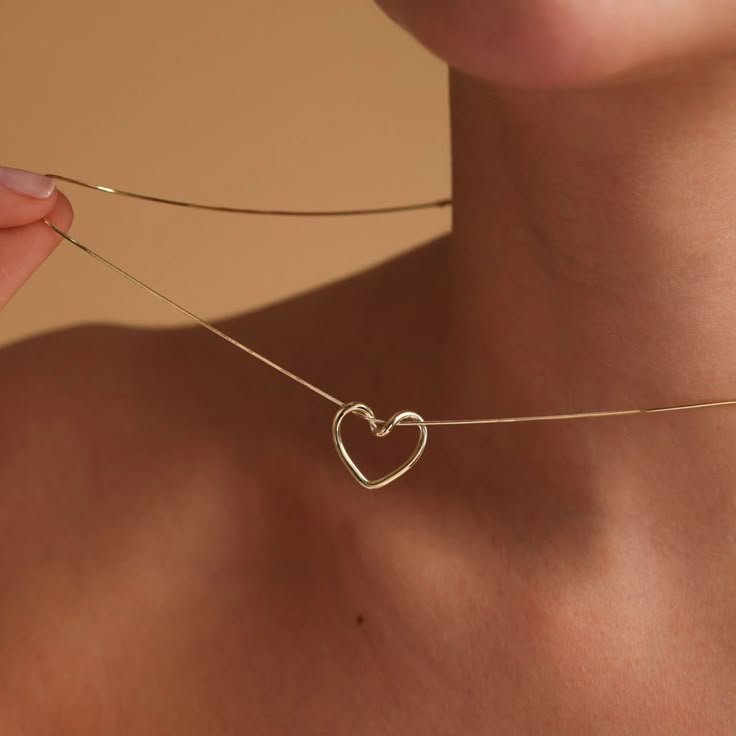
2. How to Care for Silver Jewellery
Silver jewellery can develop tarnish over time, especially when exposed to air, moisture and certain substances.
This does not necessarily mean the jewellery is damaged.
Simple maintenance can help keep silver jewellery looking its best.
Silver care tips:
- Store silver in a dry place.
- Keep it away from unnecessary moisture.
- Use a suitable jewellery polishing cloth when appropriate.
- Avoid abrasive cleaning methods.
- Store individual pieces separately where possible.
- Follow the manufacturer’s care instructions.
Be especially careful with oxidised silver jewellery because aggressive polishing can affect its intended finish.
3. Caring for Diamond Jewellery
Diamonds are durable gemstones, but the jewellery setting can still be delicate.
A diamond ring or necklace should therefore be treated carefully.
Pay attention to:
- Loose stones
- Damaged prongs
- Scratches
- Dirt around the setting
- Broken clasps
- Changes in the setting
If you notice that a stone appears loose, avoid continuing to wear the jewellery until it has been inspected by a qualified professional.
Regular professional inspection can be particularly useful for valuable diamond jewellery.
4. Jewellery with Gemstones
Colourful gemstones are an important part of modern jewellery styling, but gemstones do not all have identical care requirements.
Some gemstones can be sensitive to:
- Heat
- Chemicals
- Sudden temperature changes
- Scratches
- Strong cleaning methods
That is why you should not assume that a cleaning method suitable for one gemstone is automatically suitable for another.
If you are unsure, check the care instructions from the jeweller or gemstone specialist.
5. Caring for Daily Wear Jewellery
Daily wear jewellery trends 2026 include delicate chains, small hoops, simple rings, lightweight bracelets and personalised pieces.
Because these items are worn frequently, they may collect more dirt and experience more friction.
Create a simple routine:
After wearing
Check the piece for visible dirt or moisture.
Before storing
Wipe it gently if appropriate.
During storage
Keep it in a clean, dry and secure place.
Occasionally
Inspect clasps, chains and settings for signs of wear.
This small routine can make jewellery maintenance much easier.
6. How to Store Jewellery Properly
Storage is one of the most overlooked parts of jewellery care.
Simply putting every piece into one box can lead to:
- Tangled chains
- Scratches
- Bent pieces
- Missing earrings
- Damaged clasps
Instead, try to give different pieces their own space.
Good storage habits:
- Keep necklaces .
- Store earrings together in pairs.
- Use compartments for rings.
- Keep delicate pieces away from heavier jewellery.
- Store valuable pieces securely.
- Keep jewellery away from unnecessary humidity.
- Avoid throwing jewellery loosely into a drawer.
A jewellery box with separate compartments can make everyday organisation much easier.
7. How to Prevent Necklace Tangling
Layered necklaces are a major styling trend, but storage can become frustrating when chains get tangled.
To reduce tangling:
- Store necklaces individually.
- Close clasps before storing.
- Use separate compartments.
- Avoid placing several fine chains in one pile.
- Untangle chains gently rather than pulling them apart.
Never force a tangled chain.
Pulling too hard can weaken or break delicate links.
8. Caring for Mixed-Metal Jewellery
Mixed-metal jewellery is fashionable in 2026, particularly combinations of gold and silver.
Because different metals may have different finishes and care requirements, follow the instructions appropriate to the specific piece.
For mixed-metal jewellery:
- Store pieces separately when possible.
- Avoid abrasive polishing.
- Follow the manufacturer’s care instructions.
- Be careful with plated or specially finished surfaces.
- Check the jewellery regularly for signs of wear.
This is especially important for jewellery with multiple finishes or coatings.
9. Caring for Personalised Jewellery
Personalised jewellery can have emotional value, making proper care even more important.
This includes:
- Name necklaces
- Initial pendants
- Engraved rings
- Birthstone jewellery
- Custom bracelets
- Meaningful charms
Because some personalised pieces feature fine lettering or delicate details, avoid harsh cleaning methods that could affect the finish.
Store them carefully when they are not being worn.
10. What Should You Avoid When Wearing Jewellery?
One of the easiest ways to protect jewellery is to avoid unnecessary exposure to substances that may affect it.
Depending on the jewellery, be cautious around:
- Perfume
- Cosmetics
- Hairspray
- Cleaning chemicals
- Chlorinated water
- Excessive moisture
- Abrasive materials
A practical approach is to apply beauty products first and put jewellery on afterward when appropriate.
This can reduce unnecessary exposure.
Jewellery Care Routine: Quick Chart
The following is a practical maintenance guide, not a scientific measurement or universal cleaning schedule.
How Often Should You Clean Jewellery?
There is no single cleaning schedule that works for every jewellery piece.
It depends on:
- How frequently you wear it
- The type of metal
- The gemstones used
- The design
- Your lifestyle
- Exposure to moisture and cosmetics
Everyday jewellery may need more frequent gentle cleaning than a piece worn only occasionally.
The important thing is to avoid over-cleaning or using methods that are too aggressive for the material.
When Should Jewellery Be Professionally Checked?
Professional inspection can be useful for valuable or frequently worn jewellery.
Consider having jewellery checked if you notice:
- A loose gemstone
- A damaged clasp
- Bent prongs
- A weakened chain
- Cracks or visible damage
- Significant changes in appearance
For valuable jewellery, professional maintenance can help identify problems before they become more serious.
Jewellery Care for Bridal Jewellery
Bridal jewellery often includes multiple pieces worn together, such as necklaces, earrings, bangles and rings.
After the wedding or event, do not simply place everything into one box.
Instead:
- Clean or wipe pieces according to their specific care requirements.
- Make sure jewellery is completely dry before storage.
- Separate necklaces and chains.
- Store earrings in pairs.
- Keep valuable pieces in a secure location.
- Check clasps and settings before storing.
Proper post-event storage is particularly important because bridal jewellery may remain unused for long periods.
Jewellery Care for Gold Chains
Gold chains are popular for both everyday and occasion wear.
Their links can be delicate, especially in fine designs.
Protect gold chains by:
- Closing the clasp before storage.
- Keeping chains separated.
- Avoiding unnecessary pulling.
- Checking the clasp regularly.
- Storing them flat or in suitable compartments.
If a chain develops a knot, work on it gently.
Do not pull aggressively.
Jewellery Care for Rings
Rings experience a lot of contact with everyday surfaces.
They can be exposed to:
- Hand washing
- Cosmetics
- Household products
- Friction
- Impact
Before wearing a valuable ring regularly, make sure the gemstone setting is secure.
If a stone moves or appears loose, stop wearing the ring and have it checked.
Jewellery Care for Earrings
Earrings can collect cosmetics, hair products and skin oils.
For everyday earrings:
- Keep them clean according to their material.
- Store pairs together.
- Avoid dropping them into a jewellery box without protection.
- Check backs and clasps regularly.
- Keep delicate designs away from heavier pieces.
Small earrings can be easy to lose, so organised storage helps.
How to Build a Simple Jewellery Care Kit
You do not need a huge collection of cleaning products.
A basic jewellery care setup can include:
- Soft jewellery cloth
- Jewellery storage box
- Individual pouches
- Small compartments
- Appropriate cleaning products for specific jewellery
- Professional care when necessary
Always make sure a cleaning product is suitable for your jewellery before using it.
Common Jewellery Care Mistakes
Mistake 1: Cleaning everything the same way
Different metals and gemstones require different care.
Mistake 2: Storing everything together
This can cause scratches and tangles.
Mistake 3: Using harsh chemicals
Strong cleaning products can damage some finishes or gemstones.
Mistake 4: Ignoring loose stones
A loose stone can become a much bigger problem if the jewellery continues to be worn.
Mistake 5: Wearing jewellery during every activity
Some activities can expose jewellery to unnecessary impact, chemicals or moisture.
Jewellery Maintenance Checklist
Before storing jewellery, ask:
- Is it clean?
- Is it completely dry?
- Is the clasp secure?
- Are gemstones properly set?
- Is the chain tangled?
- Is the jewellery stored separately?
- Is the storage area dry and secure?
This takes only a few moments but can make a big difference over time.
Jewellery Trends 2026: Care Meets Style
The jewellery trends of 2026 are increasingly focused on pieces that can become part of everyday life.
Minimalist gold chains can be worn daily.
Silver rings can become part of casual styling.
Mixed-metal jewellery can be layered with existing pieces.
Personalised necklaces can carry sentimental meaning.
Statement jewellery can transform an outfit for an event.
Because these pieces are being worn more often, maintenance should become part of the jewellery lifestyle.
The goal is not to keep jewellery locked away.
The goal is to wear it, enjoy it and care for it properly.
Final Thoughts
Jewellery care does not have to be complicated.
Whether you own gold jewellery, silver jewellery, diamond pieces, gemstones, bridal jewellery or modern mixed-metal designs, a few simple habits can help protect your collection.
Store jewellery carefully.
Keep pieces separated.
Avoid unnecessary exposure to harsh chemicals.
Inspect valuable jewellery regularly.
And when you are unsure about a particular material or gemstone, follow professional care guidance rather than experimenting with aggressive cleaning methods.
The Jewellery Trends 2026 may change, but well-maintained jewellery can remain part of your style for years.
A little care today can help your favourite jewellery continue looking beautiful tomorrow.
FAQs About Jewellery Care & Maintenance
1. How should I store jewellery at home?
Store jewellery in a clean, dry and secure place. Use separate compartments or pouches to reduce scratches and tangling.
2. How often should I clean my jewellery?
It depends on the jewellery and how often you wear it. Frequently worn pieces may need more regular gentle cleaning, while occasional pieces may require less.
3. Can I clean gold jewellery at home?
Some gold jewellery can be gently cleaned at home, but the appropriate method depends on the design, gemstones and finish. Follow the jeweller’s care instructions.
4. Why does silver jewellery become dark?
Silver can tarnish when it reacts with substances in the environment. Proper storage and suitable cleaning can help manage tarnish.
5. How should I care for diamond jewellery?
Keep diamond jewellery away from harsh chemicals and inspect the setting regularly. If a diamond appears loose, stop wearing the piece and seek professional inspection.
6. Can I wear jewellery while showering?
It is generally safer to remove jewellery when showering or during activities that expose it to unnecessary moisture or products, particularly when the material or finish is sensitive.
7. How do I prevent necklaces from tangling?
Store necklaces separately, close their clasps before storage and use individual compartments or pouches.
8. How should I care for mixed-metal jewellery?
Follow the care requirements of the specific piece, avoid abrasive cleaning and store it safely to protect its different finishes.
9. When should jewellery be professionally inspected?
Consider professional inspection when you notice loose stones, damaged clasps, weakened chains, bent prongs or other visible problems.
10. What is the biggest jewellery care mistake?
Using the same cleaning method for every jewellery piece is one of the biggest mistakes. Metals, gemstones and finishes can have different care requirements.
11. How can I protect daily wear jewellery?
Choose appropriate storage, clean it gently when needed, avoid unnecessary chemical exposure and inspect it regularly for signs of wear.
12. Does jewellery care matter for modern jewellery trends?
Yes. Since many Jewellery Trends 2026 focus on daily wear, layering and versatile pieces, regular care helps keep frequently worn jewellery looking its best.